
VH Market review 2025
The year in one sentence
2025 was the year Riga’s residential market revealed its true shape - through data, decisive transactions, and the capital that chose to commit long-term.
Top 5
most expensive apartments
SOLD IN RIGA 2025
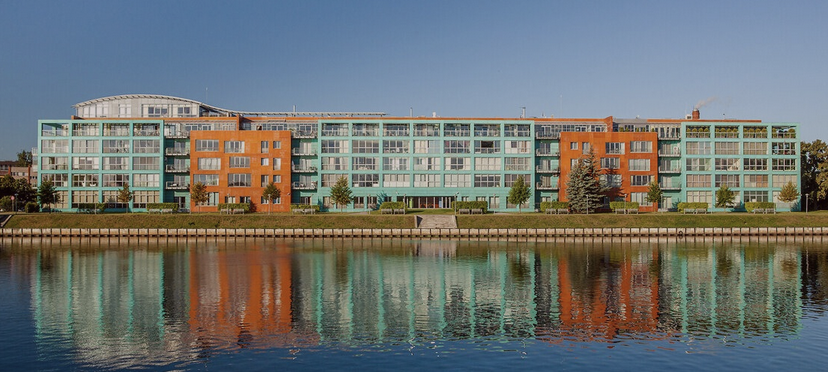
Price 1,650,000 EUR
Size 278 m2
Floor 5th
Rooms 5
Kuģu iela 26 is a considered residential project located along Riga’s historic riverbank, shaped by its surroundings and long-standing urban character. The building is carefully adapted to offer modern living standards while maintaining a clear architectural dialogue with its context. Special attention is given to natural light, balanced proportions, and well-planned layouts that support everyday comfort. Rather than following short-term design trends, the project is based on durable materials and rational decisions. It offers a composed, enduring living environment in a location defined by history, water, and proximity to the city centre.
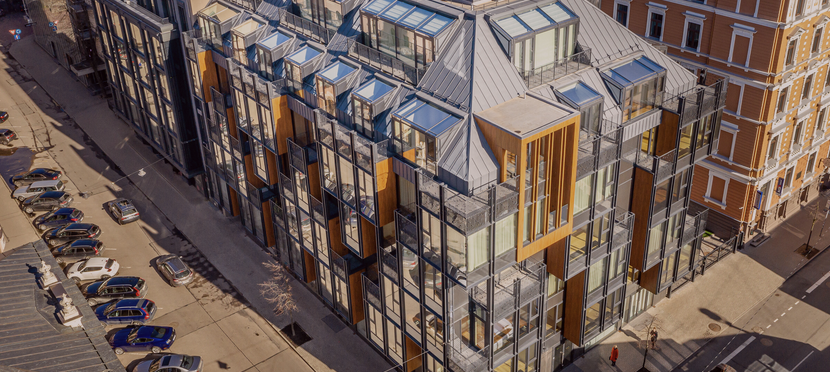
Price 1,500,000 EUR
Size 238 m2
Floor 5th
Rooms 4
Lāčplēša iela 11 is an urban residential project rooted in Riga’s historic centre, where architectural heritage is treated with clarity and respect. The building is thoughtfully adapted for modern living, with an emphasis on light, proportion, and functional layouts. Rather than following short-term trends, the project focuses on quality decisions that age well over time. It offers a calm, considered way of living in the very heart of the city.
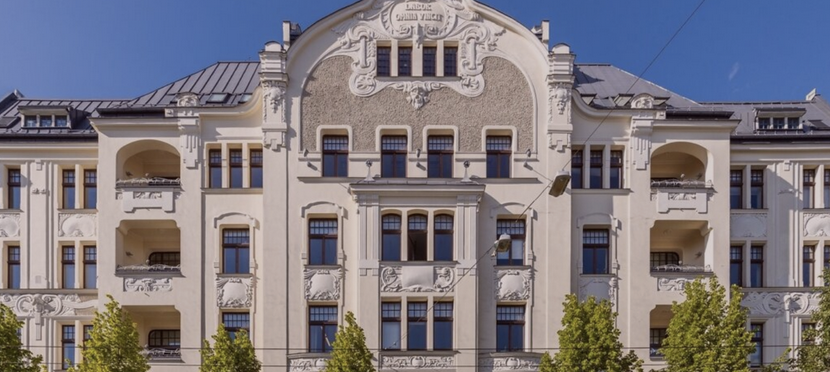
Price 912,500 EUR
Size 219 m2
Floor 5th
Rooms 6
Elizabetes iela 23a is a residential project set within one of Riga’s most established and architecturally refined central districts. The building reflects a careful balance between historic urban fabric and contemporary living requirements, with an emphasis on clarity, functionality, and proportion. Interiors are planned to maximise light and spatial efficiency, supporting a comfortable daily rhythm in the city centre. The project prioritises long-term quality and thoughtful decisions over decorative excess. It represents a discreet, well-judged approach to living in the heart of Riga.
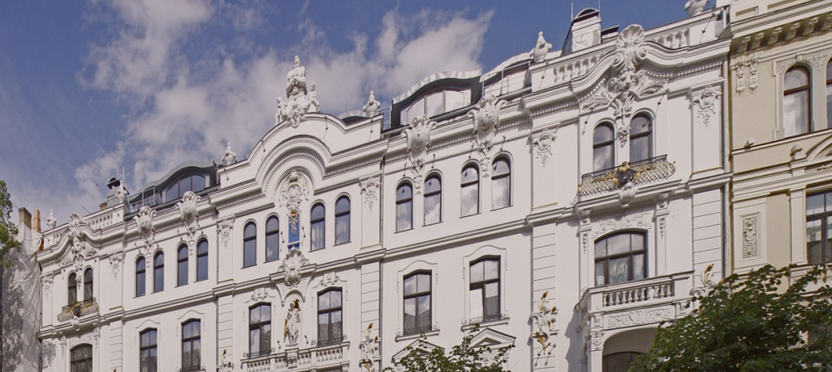
Price 770,000 EUR
Size 302 m2
Floor 1st
Rooms 6
Ausekļa iela 4 is a residential project in Riga’s embassy district, known for its calm atmosphere and architectural consistency. The building is carefully integrated into its surroundings, respecting the urban fabric while offering modern living standards. Interior layouts are designed with a focus on natural light, proportion, and everyday functionality. Material choices and planning decisions prioritise durability and long-term comfort over short-lived trends. The project offers a composed living environment for those seeking privacy, stability, and a refined relationship with the city.

Price 770,000 EUR
Size 193 m2
Floor 2nd
Rooms 6
Alberta iela 4 is a residential project located on one of Riga’s most architecturally significant streets, defined by its Art Nouveau heritage and cultural weight. The building is approached with respect for its historic identity, while interiors are adapted to meet contemporary living standards. Spatial planning emphasises generous proportions, ceiling height, and natural light, allowing the architecture to remain the main value driver. The project is guided by careful restoration principles and restrained interventions rather than visual excess. It offers a dignified, timeless way of living within one of the city’s most recognisable urban settings.
Quarter-by-quarter narrative
Q1 2025
Strong start, new projects took more share
The first quarter of 2025 marked a clear shift in market sentiment. Activity levels reached their highest point since 2017, and each month showed sequential growth. This was not a one-off rebound, but a broad-based return of buyer confidence, particularly among end-users and long-term investors.
A defining feature of Q1 was the growing role of new projects, which accounted for roughly one-third of all transactions. Buyers gravitated toward clarity - predictable layouts, transparent documentation, and known total costs. This lifted overall transaction volumes and supported higher average deal values without putting pressure on negotiation dynamics.
VH read: Q1 was not driven by speculation or urgency. It was driven by decisions postponed during uncertainty finally being executed. The market felt rational, liquid, and purposeful, a strong foundation for the rest of the year.
Q2 2025
Volume Holds, Quality Starts to Differentiate
In Q2, transaction volumes remained consistently high, even accounting for holidays and seasonal interruptions. However, the market began to show greater internal differentiation. Not all segments moved in the same direction and that was a healthy sign.
Renovated pre-war apartments in stronger categories continued to gain pricing power, while non-renovated or poorly positioned assets required more realistic expectations. Buyers became more selective, increasingly comparing not just price, but value per square meter in relation to condition, energy efficiency, and long-term maintenance risk.
VH read : Q2 was the quarter where quality clearly separated from average. Well-prepared properties sold efficiently. Everything else slowed. This was also the moment when professional positioning, photography, documentation, and narrative began to materially affect outcomes.
Q3 2025
Peak Activity, Discipline Over Euphoria
The third quarter represented the operational peak of 2025. Transaction counts increased compared both to Q2 and to Q3 of the previous year. Importantly, this growth was driven largely by the series-built segment, which continued its steady upward trend in both volume and price.
Despite the high level of activity, buyer behaviour remained disciplined. Negotiations focused less on €/m² and more on total deal logic , layout efficiency, renovation scope, and financing structure. Premium transactions still occurred, but they were highly selective and tied to exceptional properties.
CH read : its clear that this was a market that was busy, but not overheated. Liquidity was strong, yet decisions were thoughtful. The market rewarded preparedness, not speed alone.
Q4 2025
Asking Prices Peak, Strategy Becomes Decisive
In Q4, activity naturally cooled from the summer highs, following a typical seasonal pattern. Fewer working days and a shift in buyer focus reduced transaction counts month by month, yet overall activity levels remained solid by historical standards.
What changed more visibly was the gap between asking prices and executed deal values. Listing prices reached record levels across most segments, reflecting seller confidence built throughout the year. At the same time, the average transaction value softened to around €90,000, indicating that buyers were setting firm total budget limits.
VH read : Q4 was the quarter where strategy mattered most. Sellers who relied solely on market momentum often struggled. Those who priced accurately and positioned intelligently still achieved strong results. On the rental side, seasonal softening appeared as expected, but rents remained meaningfully higher year-on-year, confirming continued structural demand.
What Actually Moved the Market in 2025
When we look back at 2025, it becomes clear that the market was not driven by a single factor such as interest rates, supply, or headline optimism. Instead, it was shaped by a combination of structural clarity and behavioural shifts.
First and foremost, certainty became the core currency of the market. Buyers were willing to act when outcomes were predictable - clear documentation, understandable renovation scope, transparent total costs, and realistic delivery timelines. Where uncertainty remained, even strong locations struggled to convert interest into transactions.
Secondly, the market was moved by liquidity concentration rather than broad-based demand. Activity did not rise evenly across all segments. It flowed into areas where financing, pricing, and product type aligned most cleanly, particularly in series-built apartments and well-positioned new projects. These segments provided buyers with familiarity, comparability, and lower perceived risk.
Another key driver was a shift in how value was measured. Throughout the year, prices per square meter in several segments continued to rise, yet average transaction values softened toward the end of the year. This was not a contradiction. Buyers did not reject price levels, they adjusted apartment size, layout efficiency, and deal structure to stay within defined budget thresholds. The market rewarded precision, not excess.
Finally, rental stability underpinned investor logic throughout the year. Despite visible seasonal softening, rents remained materially higher year-on-year. This gave long-term investors the confidence to transact even when short-term sentiment cooled, reinforcing residential real estate as a defensive, income-backed asset.
VH perspective:
2025 was not moved by emotion or speculation. It was moved by clarity, structure, and informed decision-making. The market did not reward speed - it rewarded preparedness.
VH OUTLOOK
Q1 2026
If volumes stay healthy, pricing should remain supported, especially where supply is limited (quality renovated heritage, best micro-locations, and correctly designed smaller units).
Q1 2026 usually brings “fresh start” activity after seasonal softness - but buyers will likely stay price-sensitive at higher total tickets, meaning:
best-performing listings will be the ones that are perfectly prepared, accurately priced, and emotionally clear in presentation
weaker listings may sit even if the “headline market” looks good
VH practical takeaway for clients
Selling in Q1 2026: win on preparation and positioning - not on “hoping the market pays.”
Buying in Q1 2026: negotiate on total deal logic (repairs, furniture, timing, financing), especially when asking prices are at records.
Investing: rents are still the anchor; pick assets with low maintenance risk and strong tenant profile.
THE BIGGEST
Real Estate Bets on Riga in 2025
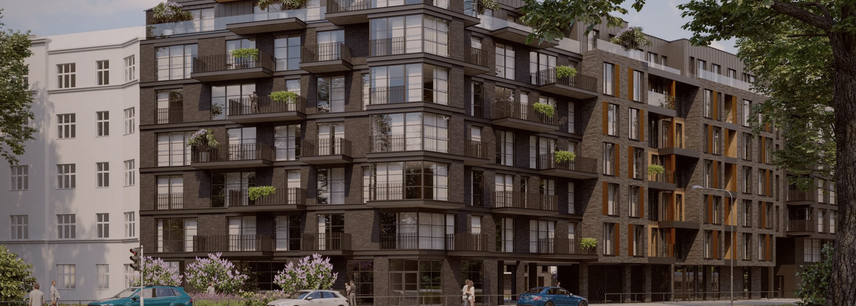
Miera Rezidences” — €40M future-focused development
One of the year’s most significant residential commitments was the announcement of the “Miera Rezidences” complex on Miera iela - a project backed by Invego and Reterra with an investment of approximately €40 million and planned to deliver around 172 modern homes. Construction is expected to begin in early 2026.
This is one of the largest single investments in residential development in Riga this year
The scale (172 units) and location near the city centre indicate confidence in inner-urban living demand
It reflects strategic positioning ahead of 2026 rather than opportunistic building
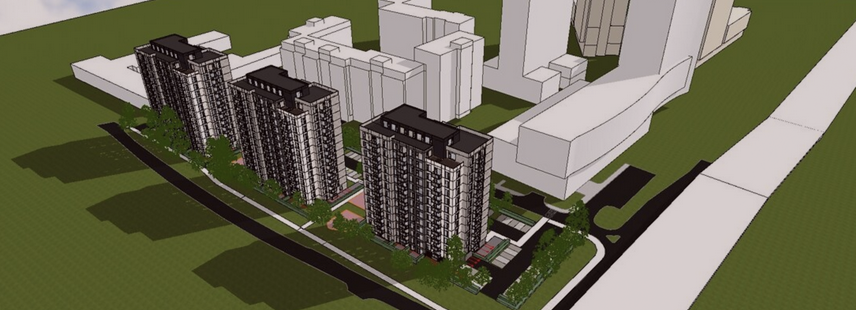
Hepsor’s Major Riga Project — ~€40M Investment Pipeline
In August 2025, Hepsor Latvia OÜ confirmed a major acquisition at Starta iela 17, with plans to develop three new 14-storey buildings comprising about 250 apartments (≈14,500 m²). The total investment for the project is approaching €40 million, making this likely the largest single residential development initiative announced in 2025.
This project signals institutional-scale capital commitment to Riga’s residential future
With ~250 apartments planned, this is a transformational development, not a small addition
It shapes long-term supply dynamics in the eastern part of Riga where density and connectivity are improving
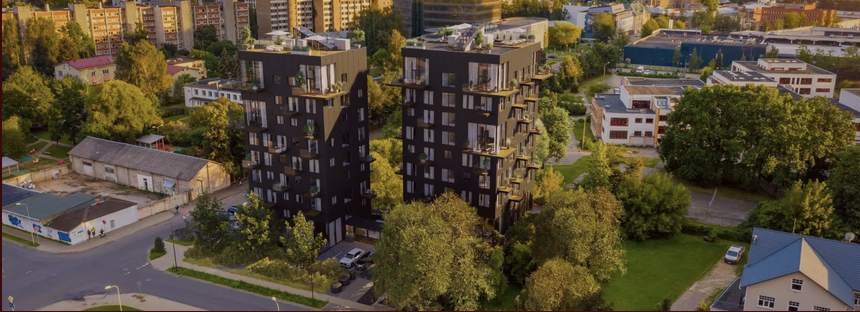
Skanstes Rezidences — €14M strategic layer in Skanste
On Grostonas iela in Skanste, developers Invego and Reterra laid the cornerstone for Skanstes Rezidences, a €14 million, 67-unit residential project that blends modern design with energy-efficient architecture.
Skanste remains one of Riga’s most dynamic residential districts
Though smaller in total value than the €40M bets above, its premium execution and buyer interest make it a bellwether project
It underscores how high-quality, compact projects continue to command deep market engagement
What These Bets Reveal About 2025
From the above solid, real € figures, we can observe
Two €40M-scale developments (Miera Rezidences and Starta iela 17) indicate that institutional capital is shifting back into sizable residential plays rather than scattered speculation.
District diversification - significant activity occurred across Skanste, Purvciems, and near the city core, showing demand is not limited to one micro-location.
Balanced investment, both large-scale complexes and mid-rise projects found funding, suggesting confidence not only in luxury or central locations, but in quality everywhere.
What’s most striking about 2025 is that the largest bets were not reactive, they were strategic. These commitments are forward-looking and built with a multi-year operational horizon, not short-term turnover. That tells us that capital believes in Riga’s residential fundamentals, and that value creation in 2026 and beyond will emerge where infrastructure, design, and clarity of use converge.